The primary purpose of adjusting entries is to update account balances to conform with the accrual concept of accounting. As a result, there is little distinction between “adjusting entries” and “correcting entries” today. In the traditional sense, however, https://www.prixeschilo.it/2022/05/11/the-best-accounting-software-for-plumbers/ adjusting entries are those made at the end of the period to take up accruals, deferrals, prepayments, depreciation and allowances.
Types of Adjusting Entries

Businesses may mistakenly record advance customer payments as revenue rather than liabilities, or expense prepaid items immediately rather than recognizing them as assets to be amortized over time. These entries help accurately track payables and receivables by ensuring that all amounts owed to and by the company are properly recorded. This is essential for effective cash flow management and on-time payment of financial obligations.

Mastering the Mechanics: Practical Examples of Adjusting Entries in Accounting

Adjusting entries are journal entries made at the end of an accounting period to record transactions that have occurred but haven’t yet been recognized in the financial records. These specialized entries ensure your financial statements accurately reflect your company’s financial position by properly aligning revenues and expenses to the correct accounting periods. The income statement is impacted by adjusting entries related to revenues and expenses, such as depreciation expenses, salary expenses, and interest expenses.
Accrued revenues
If the rent is paid in advance for a whole year but recognized on a monthly basis, adjusting entries will be made every month to recognize the portion of prepayment assets consumed in that month. Prepaid and accrued expenses, https://www.bookstime.com/ unearned and accrued revenues, inventory adjustments, and depreciation of fixed assets. Consequently, adjusting entries are not merely accounting journal entries but are the basis for ensuring the quality and accuracy of financial statements. They enhance the entity’s ability for sound financial planning and future performance improvement. Look for accounts that may not reflect all transactions or economic events from the period.
- More specifically, deferred revenue is revenue that a customer pays the business, for services that haven’t been received yet, such as yearly memberships and subscriptions.
- Although this trial balance verifies the mathematical equality of debits and credits, it does not guarantee that all revenues and expenses have been properly recognized.
- Next up is deferred revenue (also known as unearned revenue)—money you’ve received before you’ve actually earned it.
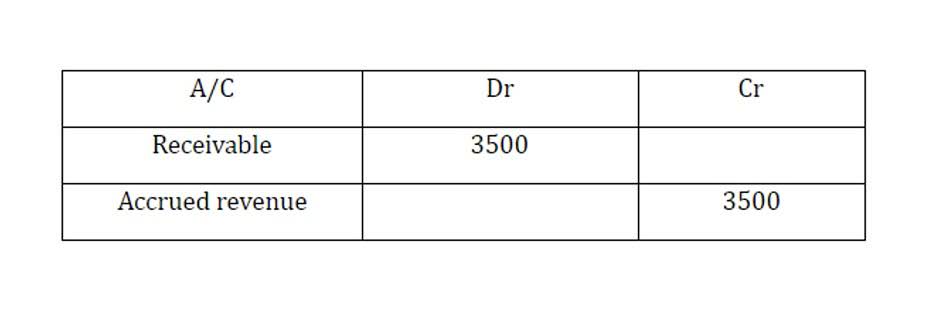
- Such revenues are recorded by making an adjusting entry at the end of the accounting period.
- If you do your own accounting, and you use the accrual system of accounting, you’ll need to make your own adjusting entries.
What is a Journal Entry? A Complete Guide for Accounting & Finance
Prepaid expenses or unearned revenues – Prepaid expenses are goods or services that have been paid for by a company but have not been consumed yet. adjusting entries examples This means the company pays for the insurance but doesn’t actually get the full benefit of the insurance contract until the end of the six-month period. This transaction is recorded as a prepayment until the expenses are incurred. Only expenses that are incurred are recorded, the rest are booked as prepaid expenses.